






One man’s trash is another man’s treasure: the universal truth we all go by, especially when it comes to thrifting and hoping to find a unique antique or an item you’ve really been searching for. However, right alongside you is another thrifter, a reseller, looking for the same things except with another intention: selling the items priced higher for profit.
Unfortunately, the rising impact of fast fashion on the environment has placed concern, and to adjust their current shopping lifestyle, people have started to shop at secondhand stores. Shopping at thrift stores has less of a footprint on the environment because nothing new is produced. Instead of throwing away the clothes you buy, places like Good Will accept donations, and your clothes will perhaps be worn and liked by someone else. However, if no one is buying the clothes, they will just throw them into the landfill with all the other fast fashion, so it is also ideal to also shop second-hand sometimes.
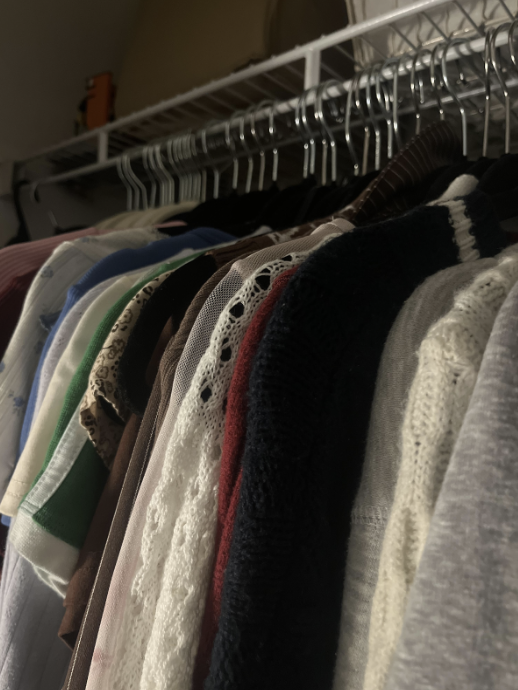
Thrifting is a fond pastime of many, and you can find a variety of items inside the store such as belts, Y2K tops, purses, vases, plates, and many more. There is essentially every item and you are able to have easy access without travelling to a multitude of stores. IB Sophomore, Anna Elizabeth Shiju, remarks how she looks for “baby doll tops” or “anything with lace or fur or any intricate design like embroidery or beads.” She also likes “thrifting for heels.” 2000s clothes are continuing to rise in popularity and demand throughout the younger generation and they mainly look for clothes from discontinued brands.
On the other hand, resellers argue that their work takes long hours of searching through racks, cleaning the items, packaging, and photographing the product for selling on online marketplaces such as Depop. From this perspective, reselling is simply another form of small business. Quite a few thrifters have started to do ‘bundles’ of clothes fitted to a specific theme such as summer or Y2K. This allows people to not have to search for the clothes themselves, and instead purchase the bundles which already have prepared that specific wardrobe. Some stores even separate valuable items and sell them online or in special sections. Some people also argue that resellers help give secondhand items a new life by connecting them with buyers who might not have access to certain thrift stores or vintage pieces.
Another factor to consider is how the popularity of thrifting itself has changed the industry. As thrifting has become more trendy, especially among younger generations, many thrift stores have started raising prices. Especially after an influx of social media videos on the amount of resellers camping in the thrift store waiting for restocks. This has made the thrifting experience different from what it used to be, when people could easily find high quality items for extremely low prices. Sahasra Vemula, IB senior, remarks how she does not like “the resellers that go to goodwill bins and take all the good stuff and overprice it.” Thrifting was generally an option for people that were struggling financially and wanted a low cost shop for clothes. Shiju also adds how buying cheap items and reselling for “5x the actual price” is “unfair for the people that actually want the clothes.”
Nonetheless, thrift stores remain places full of possibility. You never know what you might find, whether it is a vintage jacket, a unique piece of home decor, or something you didn’t even know you needed. For many people, the thrill of the unpredictable possibility of what could be hidden in a rack keeps them coming back for more.